
technicallinterest.com
  • Healthy Living
  • Health and Wellness
    • Health
    • Healthy Bodies
    • Mental Health
    • Physical Health
  • Fashion
technicallinterest.com
  • Lifestyle
    • Life Tips
    • Life Hacks
    • Program
  • Blog
    • Business
    • Education
    • Entertainment
    • Photography
  • Social Life
    • Travel
    • Stories
Author

Richard

Richard

How to Choose the Ideal Dive Trip Destination for Your Skill Level
Travel

How to Choose the Ideal Dive Trip Destination for Your Skill Level

by Richard March 28, 2026
written by Richard

Scuba trips differ by location and difficulty. Every destination features specific underwater conditions and marine life. Travel packages combine lodging with scheduled dives, providing access to multiple sites. Here are a few ideal destinations for your dive trips, depending on your skill level: 

Selecting Dive Trip Types        

Dive trips include activities such as drift, wall, wreck, muck, and night diving. Drift diving is a scuba method in which divers are carried by the currents over reefs or wrecks. Wall diving appears along coral reefs with vertical drop-offs, and wreck diving occurs at sites with sunken ships or artificial structures.

Muck diving takes place on sandy or silty ocean bottoms. Night diving is scuba diving done after sunset, often scheduled as part of resort or liveaboard dive itineraries. When planning your trip, determine what type of dive you want to go on. Evaluate elements like current speed, visibility, water temperature, and depth to make sure the dive matches your skill level and interests.

Choosing Trip Formats

Dive trips are commonly organized as either resort-based stays or liveaboard trips. Resort-based diving involves staying at a fixed location and traveling to nearby dive sites on scheduled boat trips led by guides, and packages often combine lodging with a set number of dives. Liveaboard trips take place on boats that follow planned routes, and divers typically complete multiple dives per day while moving between sites. These boats provide onboard lodging, meals, and diving support; they allow access to sites that are farther from shore than those typically reached on day trips.

Exploring Top Destinations

Many underwater explorers look for ocean locations with distinct features and varied environments, but it is key to match these settings to your skill level. Places such as the Great Barrier Reef and the Coral Sea are known for large schools of fish and open-water species, and some sites there may involve deeper water or stronger currents. In Raja Ampat and North Sulawesi, divers can find steep reef walls; these areas are often associated with smaller marine life, though conditions vary between calm and more challenging dives. 

The Fiji Islands, including Viti Levu and Taveuni, offer reef and drift diving. Divers also encounter sharks, which often appeals to those with more experience. Because conditions differ by location, each destination provides a mix of dive types. Divers should evaluate their training, comfort in currents, and depth experience when choosing where to dive.

Evaluating Dive Conditions

Water movement ranges from calm conditions to strong currents, and it influences how divers swim and maintain position in the water. In low-light or night conditions, divers use waterproof dive lights to improve visibility and observe their surroundings. In areas with dense reef structures, controlled movements help prevent contact with coral and other marine life. Dive briefings and trip details typically outline conditions such as current strength, depth, and visibility. This allows divers to understand what to expect before entering the water.

Plan for Your Dive Trips

Examining dive package details helps you understand how often you will dive, the types of activities offered, and the features of the destination. Some packages focus on specific experiences, like wreck or drift dives, while others combine multiple activities within one itinerary. Contact an experienced scuba travel service to book trips that fit your itineraries and skill levels.

  • How to Choose the Ideal Dive Trip Destination for Your Skill Level
  • How Jewelers Can Help You Personalize Your Pieces
  • Exploring Colorants and Additives for Soap Making Supplies
  • 4 Tips on How to Become a Psychiatric Nurse Practitioner
  • Leveraging Big Data for Enhanced Credit Risk Modeling
March 28, 2026 0 comments
0 FacebookTwitterPinterestEmail
How Jewelers Can Help You Personalize Your Pieces
Fashion

How Jewelers Can Help You Personalize Your Pieces

by Richard March 27, 2026
written by Richard

Jewelry can be personalized by designing pieces that show a person’s style, memories, or favorite things. Techniques include hand engraving for detailed designs and laser etching for hard metals. A stone’s type, shape, color, and setting also influence the appearance of the jewelry and the way it reflects light. Here are some ways jewelers can help you customize your pieces:

Sketching and Modeling Designs

Personalizing jewelry begins with a clear idea, and jewelers transform this into a drawing that illustrates the design’s form, pattern, and style. Jewelers then create CAD renderings, which offer a three-dimensional preview. These interpretations enable changes to proportions, the stone’s location, and the choice of metal before production. 

The casting and setting stage creates the final piece from the approved design. Jewelers choose metals for strength and appearance, and they place stones securely to highlight their features. They match style, stone type, cut, and metal finish to the client’s preferences. Collaboration between the jeweler and the client produces a piece that reflects individual tastes. 

Adding Engravings and Details

Many jewelers offer engraving services, and initials, dates, symbols, or short messages are carved into metal. Jewelers position the text or symbols so they fit on rings and bracelets without affecting durability. They integrate the engravings into the design, so the jewelry looks complete and balanced. Expert placement also confirms that the engravings remain legible and durable, even on small or intricate pieces.

Selecting Stones and Settings

Jewelers guide the selection of stones and settings to create personalized jewelry. They present available diamonds and gemstones and explain how each option fits into a design. Clients can select stones based on type, size, and color to create a piece that reflects their style and maintains visual balance. Chosen settings should match the stones and enhance their characteristics. These options make jewelry look unique, and they create harmony among the design elements. Jewelers explain how stones interact with metal types and overall design elements. They also guide clients in selecting settings that highlight brilliance and durability, so each piece is beautiful and functional.

Updating and Restoring Pieces

Some jewelers provide repair, refurbishment, and remounting services to refresh existing jewelry and adapt it to new designs. Remounting allows stones to be repositioned into new pieces of jewelry while preserving the integrity of the original stones. These services are often available for rings, necklaces, bracelets, and earrings, so older pieces can receive a refreshed look.

Jewelers analyze the condition of each piece during restoration, often cleaning surfaces and polishing metals before finishing. They can also perform repairs like setting loose stones and adjusting fasteners. Skilled jewelers use their expertise to preserve the character of heirloom or vintage jewelry while reinforcing its structure.

Hire Reputable Jewelers

Jewelers provide expertise in jewelry personalization, including custom designs, restoration, and engraving. They select stones and modify designs to suit personal taste, so every piece suits the wearer’s design vision. Personalizing these aspects transforms standard pieces into unique, meaningful jewelry. Contact an expert jeweler to personalize your pieces today.

  • How to Choose the Ideal Dive Trip Destination for Your Skill Level
  • How Jewelers Can Help You Personalize Your Pieces
  • Exploring Colorants and Additives for Soap Making Supplies
  • 4 Tips on How to Become a Psychiatric Nurse Practitioner
  • Leveraging Big Data for Enhanced Credit Risk Modeling
March 27, 2026 0 comments
0 FacebookTwitterPinterestEmail
Exploring Colorants and Additives for Soap Making Supplies
Business

Exploring Colorants and Additives for Soap Making Supplies

by Richard March 26, 2026
written by Richard

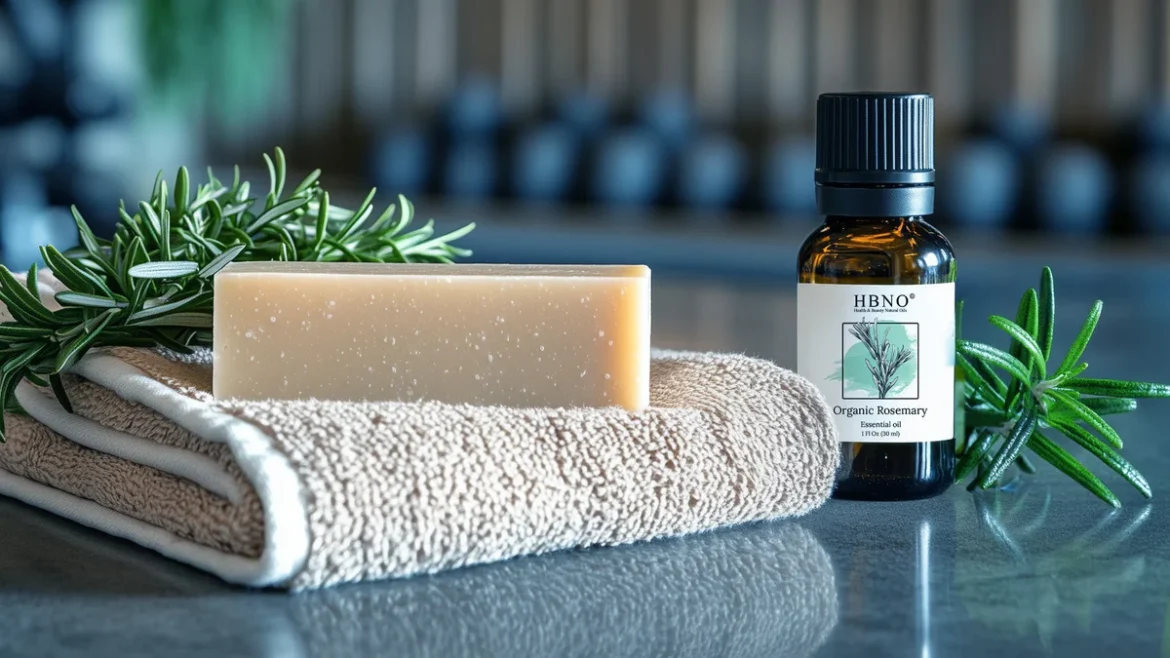
Creating homemade soap gives makers more control over ingredients, and it allows them to support environmentally friendly, customized, and efficient personal care practices. Trusted ingredient providers offer quality materials that help promote consistent product outcomes. They also stock a wide range of soap making supplies to assist both beginners and experienced makers in creating unique products for specific needs. Here’s some information about using colorants and additives for effective soap making:

Natural Colorants

Qualitysoap making supplies may include a variety of natural colorants that help enhance visual appeal while supporting user safety. Experienced bulk apothecary suppliers offer options such as clays, botanical powders, and mineral-based pigments. These colorants allow soap makers to achieve vibrant hues when creating products intended for sensitive skin. They are available in various colors, including:

  • Blue
  • Red
  • Purple
  • Green
  • Yellow

Natural colorants can appeal to makers interested in more environmentally conscious practices, as some are biodegradable. These alternatives support the creation of visually appealing formulations with thoughtfully selected ingredients. To enhance safe use by clients, reliable suppliers make sure the colorants adhere to safety requirements. 

Soap makers may experience more flexibility in blending and layering with natural colorants. This versatility allows individuals to customize product designs to suit different preferences or themes. Suppliers that maintain consistent color quality can help support more uniform results across batches.

Functional Additives

Creators are able to use additives to enhance the performance and appeal of handmade soaps. Reliable vendors offer materials that contribute to skin nourishment and textural enhancement; possible options include exfoliants, oils, and botanical components. Skilled soap makers are able to incorporate additives based on desired formulation goals and user preferences. Exfoliating ingredients may be used to provide a textured cleansing experience, while various oils contribute to a more conditioning feel.

Botanical components are also included for visual or formulation variety. Suppliers may offer additives designed to blend effectively with soap bases and support a consistent texture. Selecting functional ingredients allows designers to create soaps tailored to a range of preferences and needs, from gentle everyday cleansing bars to more specialized formulas.

Essential Oils and Fragrances

Fragrances help enhance the sensorial experience of handmade soap, and they enable makers to create seasonal or themed products. Established suppliers offer a variety of essential oils and fragrance options, allowing designers to create distinct scent profiles. These selections may complement color and texture choices; they help support a cohesive product design. Essential oils also contribute aromatic value and are sometimes used in natural formulations. Choosing quality ingredients can help scents remain noticeable throughout the product’s lifecycle. Creative fragrance blending further enhances the overall appeal of handmade soaps; it allows makers to craft signature scents that aim to evoke specific moods or memories.

Find Quality Soap Making Supplies

Selecting appropriate soap making materials supports creativity, product quality, and consistency across projects. Experienced suppliers provide a wide range of ingredients and equipment that streamline the soap making process, and quality materials help produce soaps that are both effective and visually appealing. Knowledgeable apothecary suppliers can assist hobbyists, beginners, and commercial soap makers in finding suitable product options. Find a professional supplier today to learn more about their soap colorants and additives.

  • How to Choose the Ideal Dive Trip Destination for Your Skill Level
  • How Jewelers Can Help You Personalize Your Pieces
  • Exploring Colorants and Additives for Soap Making Supplies
  • 4 Tips on How to Become a Psychiatric Nurse Practitioner
  • Leveraging Big Data for Enhanced Credit Risk Modeling
March 26, 2026 0 comments
0 FacebookTwitterPinterestEmail
4 Tips on How to Become a Psychiatric Nurse Practitioner
Blog

4 Tips on How to Become a Psychiatric Nurse Practitioner

by Richard March 10, 2026
written by Richard

Registered nurses (RNs) seeking to advance their careers in the mental health field can choose to become a Psychiatric-Mental Health Nurse Practitioner (PMHNP). This career equips learners with knowledge and skills to assist individuals in navigating psychiatric conditions such as anxiety, depression, and trauma. Here are four tips on how to become a psychiatric nurse practitioner:

1. Enroll in a PMHNP Program 

Before pursuing a PMHNP degree, you should be a registered nurse (RN) with clinical experience. To obtain a license as an RN, you need a Bachelor of Science in Nursing (BSN). Some courses permit registered nurses with an Associate Degree in Nursing (ADN) to pursue a PMHNP degree if they have a Bachelor’s in another discipline. 

When researching how to become a psychiatric nurse practitioner, it’s advisable to verify a program’s accreditation. Your preferred program should be accredited by recognized bodies, such as the Accreditation Commission for Education in Nursing, to verify that it meets educational requirements. It also confirms that completing the program prepares you for national certification and state licensure as a PMHNP.

Choose a program that offers a Master of Science in Nursing (MSN) with a PMHNP specialization or a Post-Graduate Certificate. An MSN program typically takes 1.5 to 2 years, and it can be completed online, either full- or part-time. You gain hands-on clinical experience while completing coursework, which makes sure you are prepared for advanced practice responsibilities.

2. Complete Faculty-Supervised Clinical Hours 

Completing faculty-supervised clinical hours is a core component of accredited PMHNP programs. To qualify for the national board examination, RNs should complete between 500 and 700 clinical hours. RNs typically work under the supervision of psychiatrists or board-certified PMHNPs. You can complete clinical hours in your community, either in outpatient clinics or inpatient psychiatric facilities. Clinical hours allow RNs to develop the skills needed to assess, diagnose, and treat patients’ mental health conditions. 

Students often rotate through multiple clinical settings, including emergency psychiatric units, substance use treatment centers, and child and adolescent mental health clinics. This provides exposure to a range of patient populations and psychiatric conditions. Clinical experience also helps RNs practice conducting mental health assessments and developing treatment plans. Students should also gain experience in documentation and case management while collaborating with psychiatrists and psychologists. 

3. Pass the Certification Exam 

After earning your MSN or post-graduate certificate and completing the required clinical hours, you should obtain a national certification. The process involves taking and passing the PMHNP certification exam; exams are often administered by the American Nursing Credentialing Center (ANCC). It covers various topics, including:

  • Patient assessment
  • Psychiatric condition management
  • Psychopharmacology
  • Ethical and legal factors in psychiatric care
  • Evidence-based therapeutic interventions
  • Risk assessment and crisis management

Passing the exam validates your knowledge and skills to provide safe, specialized psychiatric care. It also demonstrates your readiness to practice as an advanced psychiatric nurse and can increase your employment opportunities. Earning certification demonstrates that you are able to meet national standards for quality mental health care and strengthens your credibility.

4. Obtain State Licensure 

RNs who pass the certification exam are eligible to obtain state licensure, allowing them to practice independently or collaboratively. Consulting your state’s nursing board helps you get specific guidelines. Some states may require background checks or additional documentation before granting licensure, so verifying all prerequisites is beneficial. A state license allows RNs to apply for PMHNP positions in hospitals, private practices, and community mental health centers. Staying informed about PMHNP certification and licensing requirements in your region helps confirm that your license and education remain up to date. You might be required to renew your certification and licensure every five years. Educational and professional development in PMHNP equips RNs with the latest skills to provide quality care to patients. 

How To Become a Psychiatric Nurse Practitioner

Pursuing the PMHNP specialization through an MSN program provides a clear, accredited path to becoming a mental health nurse practitioner. With recognized accreditation, the program provides rigorous academic and clinical preparation, whether you’re advancing from a BSN or an RN with a non-nursing bachelor’s degree. Completing the program equips you to sit for national certification and practice as an advanced psychiatric nurse, positioning you for a rewarding career in mental health care. Contact an accredited institution today to pursue a career as a psychiatric nurse practitioner.

  • How to Choose the Ideal Dive Trip Destination for Your Skill Level
  • How Jewelers Can Help You Personalize Your Pieces
  • Exploring Colorants and Additives for Soap Making Supplies
  • 4 Tips on How to Become a Psychiatric Nurse Practitioner
  • Leveraging Big Data for Enhanced Credit Risk Modeling
March 10, 2026 0 comments
0 FacebookTwitterPinterestEmail
Leveraging Big Data for Enhanced Credit Risk Modeling
Education

Leveraging Big Data for Enhanced Credit Risk Modeling

by Richard February 24, 2026
written by Richard

Leveraging big data involves using software to integrate large volumes of information to uncover patterns that indicate potential credit or financial instability. Combining large-scale data processing with quantitative modeling enables the creation of simulations that estimate potential cumulative losses in loan portfolios. Here is more information on leveraging big data for enhanced credit risk modeling:

Demographic and Lifestyle Variable Integration

Demographic and lifestyle variables offer insights into local economic and financial conditions, helping identify factors that influence borrower risk. A location score system processes these data points at the zip-code level to assess how local lifestyle factors influence borrower behavior, and complex correlations emerge when models analyze population shifts alongside environmental conditions. These relationships help predict default probability with greater accuracy. The demographic characteristics of a borrower’s area may reveal potential risks that are not immediately apparent from individual financial statements.

Local Environment Assessment

Environmental factors in a region, such as climate risks or natural hazards, inform the long-term performance and risk of underlying assets. A location score tool identifies specific geographic risks by examining how the physical environment affects asset performance. These models can integrate environmental and geographic data to assess how local risks, like natural disasters, could affect borrower defaults. If an area exhibits signs of environmental deterioration, the system adjusts the risk profile to accurately reflect the loss potential. Lenders use these environmental insights to conduct stress tests via a risk analyzer; the software processes large-scale data to determine how a portfolio might perform under localized pressures.

Loan Dataset Processing

Access to large loan datasets provides the foundation needed to build quantitative frameworks. Loan score tools analyze vast repositories of historical data to identify behaviors that characterize loan performance across different cycles. These datasets encompass a wide range of borrower types and loan structures, enabling the discovery of subtle correlations.

Risk analysis tools use this high-volume data to create standardized metrics, such as the probability of default or the loss given default. When the system processes many records, it can accurately link past results to current borrower characteristics; this allows for more accurate projections of expected losses within a fixed set of loans. The software effectively organizes the data points into actionable intelligence for lenders during credit risk modeling.

Economic Scenario Simulation

Simulating diverse economic scenarios helps institutions understand how portfolios might behave under fluctuating market conditions. A risk analyzer utilizes big data to construct hypothetical environments, enabling projections to account for more than just current conditions. These simulations provide a stress-testing mechanism that identifies vulnerabilities before they manifest as actual losses.

When the system runs economic scenarios, including localized downturns or market shocks, it estimates potential losses across loan portfolios. This provides relevant metrics even as the regional economic health shifts. The predictive outputs of economic scenario simulation include:

  • Annual loss expectations
  • Geographic risk variations
  • Performance benchmarking
  • Probability of default adjustments

Regional Housing Value Incorporation

Integrating regional housing values into credit risk models provides location-specific insights that improve the accuracy of loss projections. In secured lending, the value of the underlying collateral directly affects the potential severity of a loss in the event of borrower default. Access to large and diverse datasets allows models to continuously monitor local real estate markets. By incorporating current housing valuations, credit risk models are able to produce more precise estimates of expected losses.

Geospatial risk models analyze housing trends to identify areas where declining property values may increase credit risk. When home prices in a specific region fall, the models update expected loss metrics, such as loss given default, to reflect the reduced collateral value. This approach also accounts for the impact of a borrower’s equity position on default risk. Borrowers with low or negative equity are more likely to default, which can concentrate risk in certain geographic areas. 

Explore Credit Risk Modeling Services

Location scoring tools analyze large datasets to identify areas with elevated geographic risk. By examining data at the zip code level, these tools reveal emerging patterns of regional stress or vulnerability. Contact a reputable credit risk modeling firm to learn more about what they offer.

  • How to Choose the Ideal Dive Trip Destination for Your Skill Level
  • How Jewelers Can Help You Personalize Your Pieces
  • Exploring Colorants and Additives for Soap Making Supplies
  • 4 Tips on How to Become a Psychiatric Nurse Practitioner
  • Leveraging Big Data for Enhanced Credit Risk Modeling
February 24, 2026 0 comments
0 FacebookTwitterPinterestEmail
.Why a Yurts Beats a Page Arizona Hotel Experience
TravelStories

Why a Yurts Beats a Page Arizona Hotel Experience

by Richard February 24, 2026
written by Richard

Yurts are circular, dome-shaped shelters built with wooden frames and fabric walls that provide protection from the elements. A central skylight within the dwelling invites natural illumination and offers views of the stars during the night. They offer a luxurious glamping setting while allowing travelers to enjoy the surrounding nature. Here is why a yurt beats a Page Arizona hotel experience:

Proximity to Nature

A yurt is located in an outdoor recreation area, while hotels are mainly clustered within commercial districts. The proximity of these accommodations to nature provides a glamping experience that blends the desert scenery with indoor comfort. Yurts offer access to natural settings, including nearby rivers, lakes, and other aquatic areas. They may be situated near deserts or rock formations, offering unobstructed views of the surrounding landscape. Unlike conventional hotels in urban areas, yurts typically include private outdoor spaces with direct views of natural features.

Quiet Accommodation Surroundings

Glamping accommodations are typically situated in less densely developed areas, providing physical separation between units. A Page Arizona hotel is usually located in a central area, where multiple rooms share walls and common infrastructure. Many glamping units, such as yurts, are free-standing structures, which separate each unit from neighboring accommodations.

The design of individual units includes independent floor plans and separate entrances, helping to reduce sound transmission between spaces. These features result in accommodations that are physically distinct and more isolated from other guests compared with standard hotels. Yurts are often placed in natural surroundings, allowing guests to experience the ambient sounds and environmental conditions of the site, unlike urban hotel settings that are adjacent to roads or commercial areas.

Themed Interior Design

Yurts offer a personalized, themed interior design that differs from the standardized look of hotel rooms. Hotels feature uniform layouts and generic décor, while yurts serve as a unique canvas for diverse cultural and historical aesthetics. Guests can choose from curated environments that evoke different regions and eras; some themed interior design selections range from the American Southwest to Southeast Asian culture.

These themes allow guests to choose a specific cultural or historical atmosphere for their stay. A yurt’s structure includes exposed wooden lattice walls and ceiling ribs, which form its characteristic framework. These elements serve as the backdrop for the interior furnishings and décor.

In-Unit Kitchenette Amenities

Including a private kitchenette in yurts helps keep guests independent. Kitchenettes have refrigerators, microwaves, and coffee makers, allowing guests to manage their own refreshments and light meals. Each unit features a farmhouse sink, adding utility and aesthetic charm to the living space; this designated kitchen area provides space for guests to prepare meals and store food. The inclusion of these amenities allows each yurt to function as a self-contained unit suitable for extended stays.

Comprehensive Climate Control

Climate control in yurts typically combines heating and cooling systems within the structure. Unlike a standard hotel room, which may use a single wall-mounted air conditioning unit, many yurts are equipped with mini-split systems and electric heaters. These systems provide control over temperature in different parts of the unit.

The circular design of the yurt affects airflow, as air can move around the interior more evenly than in rectangular rooms. The exposed roof ribs support the distribution of heat from the heater or warmth from the fireplace, contributing to more consistent temperature regulation throughout the space. This integration of structural design and climate control equipment allows the interior environment to be managed across different seasons and conditions.

Explore a Page Arizona Hotel

Yurts provide standalone accommodations equipped with modern amenities. They often include private bathrooms and outdoor decks, offering direct access to the surrounding natural environment. Contact a reputable yurt rental company to learn more about what they offer.

  • How to Choose the Ideal Dive Trip Destination for Your Skill Level
  • How Jewelers Can Help You Personalize Your Pieces
  • Exploring Colorants and Additives for Soap Making Supplies
  • 4 Tips on How to Become a Psychiatric Nurse Practitioner
  • Leveraging Big Data for Enhanced Credit Risk Modeling
February 24, 2026 0 comments
0 FacebookTwitterPinterestEmail
How Modern Parking Garages Keep Cars Safe
Business

How Modern Parking Garages Keep Cars Safe

by Richard February 24, 2026
written by Richard

Modern parking garages provide structured, controlled spaces that help reduce some of the risks associated with urban parking. These facilities often include clear signage and traffic flow systems to guide drivers, along with regular maintenance to support safe conditions and minimize the likelihood of accidents or vehicle damage. Through their layout, technology, and management practices, contemporary parking garages are designed to support both security and convenience for drivers and their vehicles.

Controlling Access and Entry

Restricting access is one approach used in parking garages to address safety concerns. Entry points are often equipped with automated gates, ticket dispensers, access cards, or license plate recognition systems, which help monitor vehicles as they enter and exit. These tools manage traffic flow and limit access to authorized users.

Within the garage, drivers typically follow clearly marked lanes and designated entry and exit points, which can support more predictable movement. When traffic patterns are structured in this way, the likelihood of confusion or congestion may be reduced. Controlled access measures and organized layouts contribute to a more orderly parking environment.

Designing Layout and Traffic Flow

The physical layout of a parking garage influences how movement takes place inside it. Instead of focusing on entry controls, this aspect centers on how space is arranged once vehicles are already inside. Marked lanes, directional arrows, and speed-control features organize circulation and shape how drivers navigate each level. Traffic routes are often planned to reduce overlapping paths, while pedestrian walkways may be positioned separately from driving areas. Garage owners space parking stalls to allow room for opening doors and maneuvering in and out. Through these spatial decisions, the garage environment is structured to promote clarity and steady movement.

Enhancing Lighting and Security

Lighting and visibility affect how drivers and pedestrians move through a garage. When drive lanes, parking areas, and stairwells are evenly illuminated, obstacles and nearby vehicles are easier to distinguish. Consistent lighting also limits deep shadows and reduces glare in enclosed areas. Convex mirrors are sometimes installed at corners or blind spots, allowing drivers to see around obstructions before proceeding. These features support clearer sightlines throughout the structure.

Many garages also use surveillance systems as part of their management practices. Cameras are typically positioned at entrances, exits, payment stations, and key traffic points. Recorded footage allows operators to review activity and observe conditions within the facility. In some locations, live monitoring enables staff to respond to incidents as they occur. Through a combination of lighting design and observation systems, garages incorporate both environmental and administrative measures into their operations.

Providing Staff Oversight

Staff oversight complements technological safety measures. Parking attendants guide traffic, help answer questions, and assist during emergencies. The staff also imposes regulations on lane use and parking in the designated areas. Providing oversight also includes frequent checking of the parking lanes, signs, lighting, and safety barriers. The staff also identifies risks, such as worn road signs or broken guardrails, and resolves issues before they cause larger problems. They also impose rules such as proper use of lanes and parking in the designated areas.

Maintaining Surfaces and Equipment

Ongoing surface and equipment maintenance influences how a garage functions over time. Pavement that is kept even and properly drained supports traction and limits water accumulation, and regular cleaning removes debris that may interfere with tires or vehicle movement. Routine inspections of barriers, payment machines, and lighting systems also help identify wear or malfunction. Through these maintenance practices, garages aim to keep the facility usable and orderly for drivers.

Learn About Modern Parking Garage Safety

Modern parking garages rely on structured layouts, surveillance systems, and controlled access to manage vehicle movement. Clear traffic patterns and well-lit surroundings help drivers navigate the space more easily. These garages combine technology and design features to organize and monitor activity throughout the facility. Contact a reliable modern garage to learn more about their services.

  • How to Choose the Ideal Dive Trip Destination for Your Skill Level
  • How Jewelers Can Help You Personalize Your Pieces
  • Exploring Colorants and Additives for Soap Making Supplies
  • 4 Tips on How to Become a Psychiatric Nurse Practitioner
  • Leveraging Big Data for Enhanced Credit Risk Modeling
February 24, 2026 0 comments
0 FacebookTwitterPinterestEmail
Human Chat vs AI Chatbot for Website
Blog

Human Chat vs AI Chatbot for Website

by Richard February 24, 2026
written by Richard

Websites feature a range of chat interfaces offering different methods for providing quick responses to online queries. Human chat adapts to customer concerns, while AI chatbots automate routine conversations using generative AI tailored to each brand. Combining human support with a free AI chatbot gives websites flexible chat solutions that enhance engagement and support marketing goals. Here are some differences between human chat and AI chatbots for websites:

Availability and Scalability

Website visitors may want to make inquiries at any time, and this includes outside of business hours. Whenever a visitor logs onto your website, AI chatbot services provide instant responses, helping you capture prospects. Providing quick answers to customer questions can help prevent potential clients from leaving to find another service provider. By using your site search or generative AI chat tools, you provide visitors with relevant and updated answers even when your team is offline.

Deploying an AI chatbot can provide scalable support to growing businesses. They respond to multiple inquiries simultaneously as user traffic grows with SEO and link-building efforts. Chat tools handle expanding chat volume and guide potential clients without adding pressure to human support teams. Free AI chatbot solutions deliver prompt responses using specific phrases and keywords; this keeps messaging consistent, regardless of fluctuations in search volumes or visitor inquiries. AI-powered chat platforms offer assistance, even as site visibility rises from new link acquisitions or ranking improvements.

Traffic Handling

Generative AI and custom large language models (LLMs) can analyze common search queries that drive people to websites. By equipping chatbots with keyword-centric knowledge, they respond to inquiries using optimized answers; this reinforces the information’s trustworthiness. AI chat systems also provide SEO support when incorporated into site structures that align user questions with indexed service pages. It directs visitors to relevant, pre-optimized URLs, which strengthens internal linking patterns and reinforces keyword relevance across the site. Service pages explain your offerings, while chatbots guide visitors to this content, answer complicated questions, and convert leads using data.

Consistency Across Customer Journeys

AI chatbot solutions maintain uniform customer service messaging, which reinforces brand tone, service descriptions, and keyword relevance. This consistency is beneficial for SEO since it creates fewer discrepancies between human and digital conversations. Consistent messaging means that prospective clients know what to expect each time they interact with your business, regardless of the channel they use.

When visitors use the chatbot anywhere on the website, they experience the same structured interaction. The chatbot maintains the same professionalism and accuracy across every ecommerce query or message exchange. This establishes trust and reliability, and it provides a smooth transfer between web chat services and SMS messenger chat streams.

Content and Conversions

Well-trained AI chatbots supplement written content by providing clarity on services, answering additional queries, and directing users to relevant pages. Chatbots strengthen on-page SEO by clarifying services and guiding users through website interactions. This allows the bots to supplement written content with real-time explanations and guidance for website users. Chatbots employed for websites may be programmed to answer questions about service topics, providing knowledgeable responses. Some chatbots collect user interaction data, and this insight can be used to refine content strategy and improve conversion rates.

Employ Free AI Chatbot Services

AI chat services deliver consistent responses whether customers visit a site at noon or midnight. Businesses can guide potential customers without depending on the availability of human sales teams. An AI chatbot answers visitor questions in real time, reducing exits and keeping users engaged. Providing consistent attention to every potential customer supports content reach, SEO performance, and overall growth. Choose a free AI chatbot to help your website capture more opportunities through intelligent, instant conversations.

  • How to Choose the Ideal Dive Trip Destination for Your Skill Level
  • How Jewelers Can Help You Personalize Your Pieces
  • Exploring Colorants and Additives for Soap Making Supplies
  • 4 Tips on How to Become a Psychiatric Nurse Practitioner
  • Leveraging Big Data for Enhanced Credit Risk Modeling
February 24, 2026 0 comments
0 FacebookTwitterPinterestEmail
Fashion

Outfit Ideas for Casual and Formal Events: A Complete Style Guide for Every Occasion

by Richard February 23, 2026
written by Richard

Choosing the right outfit can sometimes feel confusing. You open your closet, look at your clothes, and still feel like you have “nothing to wear.” The truth is, dressing well doesn’t mean owning hundreds of pieces. It means knowing how to style what you have for different occasions. Whether you are heading to a relaxed brunch with friends or attending a formal evening gala, understanding outfit ideas for casual and formal events can help you feel confident and comfortable.

In this guide, we will explore simple, stylish, and practical outfit ideas for both casual and formal events. Everything is explained in an easy and human way, so you can actually use these ideas in real life.


Understanding Casual vs. Formal Style

Before jumping into outfit ideas, it’s important to understand the difference between casual and formal wear.

Casual outfits are relaxed, comfortable, and easy to wear. They are perfect for everyday activities like shopping, coffee dates, family gatherings, or weekend outings.

Formal outfits are more polished and elegant. They are usually worn to weddings, business events, corporate meetings, award ceremonies, and formal dinners.

Knowing the event type helps you choose the right fabrics, colors, and accessories.


Casual Outfit Ideas

Casual doesn’t mean careless. You can look stylish without trying too hard. The key is balance — comfort mixed with personality.

1. Classic Jeans and T-Shirt Combo

You can never go wrong with well-fitted jeans and a clean t-shirt. This combination is simple yet timeless.

  • Pair blue or black jeans with a plain white or neutral t-shirt.
  • Add sneakers for a sporty vibe.
  • Layer with a denim jacket or lightweight blazer for extra style.

This outfit works for shopping trips, movie nights, or casual lunches.


2. Smart Casual with Blazers

If you want to look slightly polished but still relaxed, add a blazer.

For women:

  • Skinny jeans or tailored pants
  • Basic top or blouse
  • Neutral blazer
  • Flats or low heels

For men:

  • Dark jeans or chinos
  • Polo shirt or fitted shirt
  • Casual blazer
  • Loafers or clean sneakers

This style is perfect for casual business meetings or dinner dates.


3. Comfortable Dresses and Skirts

For women, casual dresses are easy and stylish.

  • A floral midi dress with sandals is great for brunch.
  • A cotton t-shirt dress with sneakers gives a sporty look.
  • A simple skirt with a tucked-in top looks feminine and neat.

You don’t need heavy accessories — a small handbag and simple jewelry are enough.


4. Athleisure Look

Athleisure combines athletic wear with everyday fashion.

  • Leggings with an oversized hoodie
  • Stylish sneakers
  • Crossbody bag

This look is ideal for travel, quick errands, or relaxed weekend days.


5. Casual Party Outfit

For informal parties:

Women can wear:

  • High-waisted jeans
  • Stylish top
  • Statement earrings
  • Heels or trendy boots

Men can wear:

  • Slim-fit jeans
  • Button-down shirt
  • Casual jacket
  • Smart shoes

It’s relaxed but still stylish.


Formal Outfit Ideas

Formal events require more attention to detail. Fabric, fit, and accessories matter more.

1. Elegant Evening Gowns

For formal events like award ceremonies or gala dinners, long gowns are a classic choice. Designers like Elie Saab are known for creating elegant gowns that combine glamour and sophistication.

When choosing a gown:

  • Pick solid, rich colors like navy, burgundy, emerald, or black.
  • Make sure the fit flatters your body shape.
  • Keep jewelry elegant and not too heavy.

Pair with heels and a clutch for a complete look.


2. Classic Suit for Men

A well-tailored suit always looks powerful and polished. Brands like Hugo Boss are famous for sharp and stylish suits.

For a formal event:

  • Choose black, navy, or charcoal gray suits.
  • Wear a crisp white or light-colored shirt.
  • Add a tie or bow tie depending on the event.
  • Finish with polished leather shoes.

Fit is everything. Even an affordable suit looks expensive if it fits perfectly.


3. Cocktail Attire

Cocktail events are semi-formal — not too casual, not too formal.

For women:

  • Knee-length dress
  • Elegant heels
  • Small handbag
  • Simple jewelry

For men:

  • Dark suit
  • Dress shirt
  • Optional tie
  • Formal shoes

This dress code is common for engagement parties, corporate events, and evening celebrations.


4. Business Formal Look

For professional environments or corporate meetings:

Women can wear:

  • Tailored pants or pencil skirt
  • Button-down shirt or silk blouse
  • Structured blazer
  • Closed-toe heels

Men can wear:

  • Dark suit
  • Conservative tie
  • Polished shoes

Keep colors neutral and accessories minimal. Clean lines always look professional.


5. Wedding Guest Outfit Ideas

Weddings can be tricky. You want to look stylish but not steal attention from the bride.

Women:

  • Pastel or soft-toned dresses
  • Avoid wearing white
  • Comfortable yet elegant heels

Men:

  • Light-colored suits for daytime weddings
  • Dark suits for evening weddings
  • Tie or pocket square for personality

Always check the dress code mentioned in the invitation.


How to Choose the Right Outfit

Sometimes it’s not about the clothes — it’s about how you style them. Here are simple tips:

1. Know the Event

Is it indoors or outdoors? Daytime or evening? Professional or relaxed? These details help you decide.

2. Choose Comfort

No matter how stylish an outfit looks, if you feel uncomfortable, it will show. Confidence comes from comfort.

3. Focus on Fit

Loose or overly tight clothes can ruin the look. Tailoring makes a big difference.

4. Pay Attention to Shoes

Shoes can make or break an outfit. Clean, appropriate footwear completes your look.

5. Accessorize Smartly

Accessories should enhance your outfit, not overpower it. Less is often more.


Mixing Casual and Formal Pieces

Modern fashion allows you to mix styles creatively.

  • Wear sneakers with a formal blazer.
  • Pair a silk blouse with jeans.
  • Add a statement belt to a simple dress.
  • Combine formal trousers with a relaxed sweater.

Fashion is becoming more flexible. It’s okay to experiment as long as the overall look feels balanced.


Seasonal Outfit Tips

Summer

  • Light fabrics like cotton and linen
  • Bright or pastel colors
  • Breathable shoes

Winter

  • Layering with coats and scarves
  • Darker shades
  • Boots and structured jackets

Adjusting your outfit to the season makes you look practical and stylish at the same time.


Confidence Is the Best Outfit

No matter how expensive or simple your outfit is, confidence is what truly makes you stand out. When you feel good about what you’re wearing, you naturally carry yourself better. Stand straight, smile, and own your look.

Fashion trends come and go, but personal style stays. Focus on what makes you feel like the best version of yourself.


Frequently Asked Questions (FAQs)

1. What is the difference between casual and formal outfits?

Casual outfits are relaxed and comfortable, suitable for everyday activities. Formal outfits are more elegant and structured, designed for special occasions or professional events.


2. Can I wear sneakers to a formal event?

Usually, formal events require dress shoes or heels. However, some modern semi-formal events allow stylish, clean sneakers if paired carefully with a tailored outfit.


3. How can I make a simple outfit look more stylish?

Add accessories like a watch, statement earrings, or a structured blazer. Make sure your clothes fit well and your shoes are clean and polished.


4. What colors are best for formal events?

Classic colors like black, navy, charcoal, burgundy, and emerald are safe and elegant choices for formal events.


5. How do I avoid being overdressed or underdressed?

Check the invitation for dress code details. If unsure, ask the host. It’s better to be slightly overdressed than too casual.


Final Thoughts

Dressing for different occasions doesn’t have to be stressful. With the right knowledge and a few versatile pieces in your wardrobe, you can create beautiful outfit ideas for casual and formal events easily. Remember, style is not about copying others — it’s about expressing yourself while respecting the event you’re attending.

February 23, 2026 0 comments
0 FacebookTwitterPinterestEmail
Fashion

How to Build a Minimalist Wardrobe: A Simple Guide to Dressing with Less and Living More

by Richard February 23, 2026
written by Richard

In a world full of fast fashion, crowded closets, and constant trends, many people feel overwhelmed by their clothes. You open your wardrobe, see it packed with items, yet still feel like you have “nothing to wear.” If this sounds familiar, you are not alone.Learning how to build a minimalist wardrobe can completely change the way you dress and feel every day. A minimalist wardrobe is not about wearing boring clothes or owning only five items. It’s about choosing quality over quantity, keeping what you truly love, and creating a collection of clothes that work together effortlessly.

Let’s explore how you can build a minimalist wardrobe in a simple, practical, and human way.


What Is a Minimalist Wardrobe?

A minimalist wardrobe is a carefully chosen collection of clothes that:

  • Fit you well
  • Match your lifestyle
  • Can be mixed and matched easily
  • Make you feel confident

It focuses on timeless pieces instead of fast-changing trends. The idea is to own fewer items but wear them more often.

Some people are inspired by books like The Life-Changing Magic of Tidying Up by Marie Kondo, which teaches people to keep only what “sparks joy.” Others follow fashion experts like Caroline Rector, who popularized the idea of capsule wardrobes.

But you don’t need to follow any expert strictly. You just need a system that works for you.


Step 1: Understand Your Lifestyle

Before you remove anything, pause and think.

Ask yourself:

  • Do I work in an office or from home?
  • Do I attend formal events often?
  • Do I need comfortable clothes for daily errands?
  • What do I wear most during the week?

Your wardrobe should reflect your real life — not your dream life. If you only attend one wedding a year, you probably don’t need five formal dresses. If you work from home, you may need more comfortable basics than business suits.

Be honest with yourself. This step is very important.


Step 2: Clean Out Your Closet

Now it’s time to declutter.

Take everything out of your closet. Yes, everything.

Create four piles:

  1. Keep
  2. Donate
  3. Sell
  4. Maybe

When deciding what to keep, ask:

  • Do I wear this often?
  • Does it fit me well?
  • Do I feel confident in it?
  • Would I buy this again today?

If the answer is “no” to most of these questions, it may be time to let it go.

Be kind to yourself during this process. Clothes often hold memories. But remember — your wardrobe should support your present, not just your past.


Step 3: Choose a Simple Color Palette

One of the secrets to a minimalist wardrobe is having a clear color palette.

Start with 2–3 neutral colors such as:

  • Black
  • White
  • Beige
  • Grey
  • Navy

Then add 1–2 accent colors you love.

For example:

  • Neutrals: Black, white, beige
  • Accent: Olive green, soft pink

When most of your clothes match each other, getting dressed becomes easy. You can mix and match without stress.


Step 4: Invest in Timeless Basics

Minimalism is not about being cheap. It’s about being smart.

Instead of buying many low-quality pieces, invest in fewer high-quality basics. These might include:

  • A well-fitted white shirt
  • A classic pair of jeans
  • A tailored blazer
  • Neutral t-shirts
  • A versatile jacket
  • Comfortable shoes

Timeless items never go out of style. For example, a simple trench coat has been popular for decades and still looks elegant today.

Avoid buying something just because it is trendy on social media. Trends fade quickly. Good basics stay.


Step 5: Focus on Fit and Comfort

You could own the most beautiful clothes in the world, but if they don’t fit well, you won’t wear them.

Try everything on. Notice how you feel.

  • Is it too tight?
  • Too loose?
  • Does the fabric feel good on your skin?

A minimalist wardrobe works best when every item feels comfortable and natural. You should feel like yourself — not like you’re wearing a costume.


Step 6: Create Outfit Combinations

Now comes the fun part.

Try creating different outfits using only your “keep” items. Challenge yourself to build at least 10–15 outfits from your wardrobe.

You’ll probably discover that you need less than you thought.

For example:

  • White shirt + jeans + blazer
  • Neutral t-shirt + trousers + sneakers
  • Dress + denim jacket

When everything matches, outfit planning becomes quick and stress-free.


Step 7: Shop with Purpose

After decluttering, you might notice gaps in your wardrobe. Maybe you need:

  • A better winter coat
  • Comfortable black shoes
  • A high-quality handbag

Make a list before shopping. Never shop without a purpose.

Before buying anything, ask:

  • Does this match at least three items I already own?
  • Is it good quality?
  • Will I wear it at least 20–30 times?

If the answer is yes, it may be a good purchase.


Step 8: Maintain Your Minimalist Wardrobe

Building a minimalist wardrobe is not a one-time task. It is a habit.

Every few months:

  • Review your clothes
  • Remove what you no longer wear
  • Repair items instead of replacing them

Try a “one in, one out” rule. If you buy one new item, remove one old item. This keeps your wardrobe balanced.


Emotional Benefits of a Minimalist Wardrobe

A minimalist wardrobe does more than save space.

It can:

  • Reduce decision fatigue
  • Save money
  • Lower stress
  • Increase confidence
  • Help the environment

Fast fashion creates a lot of waste. By buying less and wearing more, you make a positive impact.

Many people who adopt minimalism say they feel lighter and more focused. It’s not just about clothes. It’s about creating space in your life.


Common Mistakes to Avoid

When learning how to build a minimalist wardrobe, people often make these mistakes:

1. Throwing Away Too Much Too Fast

Start slowly. You don’t need to reduce your wardrobe in one day.

2. Copying Someone Else’s Style

Your minimalist wardrobe should reflect your personality, not someone else’s Instagram feed.

3. Ignoring Seasonal Needs

Make sure you have clothes for summer, winter, and special occasions.

4. Choosing Only Black

Minimalist doesn’t mean colorless. If you love color, include it.


How Many Clothes Should a Minimalist Wardrobe Have?

There is no perfect number.

Some people prefer 30–40 pieces (often called a capsule wardrobe). Others feel comfortable with 60–70 items.

The right number is the one that makes you feel calm and organized — not restricted.

Minimalism is personal.


Final Thoughts

Learning how to build a minimalist wardrobe is really about learning what matters to you.

It’s about choosing clothes that support your lifestyle, express your personality, and make your daily routine easier.

You don’t need a huge closet to look stylish. You need intention.

Start small. Declutter one shelf. Choose one quality piece instead of three cheap ones. Pay attention to how your clothes make you feel.

Over time, you’ll notice something beautiful: when your wardrobe becomes simple, your life often feels simpler too.


Frequently Asked Questions (FAQs)

1. How long does it take to build a minimalist wardrobe?

It depends on your starting point. Some people do it in one weekend, while others take a few months. It’s better to go slowly and make thoughtful decisions.

2. Is a minimalist wardrobe expensive?

Not necessarily. You may spend more on quality items, but you buy less often. Over time, many people actually save money.

3. Can I still follow fashion trends?

Yes, but carefully. If a trend truly matches your style and can be worn in many ways, you can include it. Just avoid buying trends that you’ll wear only once.

4. What if my weight changes?

Choose flexible pieces and comfortable fits. If something no longer fits, don’t feel guilty. Adjust your wardrobe to your current body, not your past or future body.

5. Is a minimalist wardrobe boring?

Not at all. It can actually make you more creative. When you have fewer pieces, you learn new ways to combine them and develop a stronger personal style.

February 23, 2026 0 comments
0 FacebookTwitterPinterestEmail
Newer Posts
Older Posts

Recent Posts

  • How to Choose the Ideal Dive Trip Destination for Your Skill Level
  • How Jewelers Can Help You Personalize Your Pieces
  • Exploring Colorants and Additives for Soap Making Supplies
  • 4 Tips on How to Become a Psychiatric Nurse Practitioner
  • Leveraging Big Data for Enhanced Credit Risk Modeling

Recent Comments

No comments to show.

Keep in touch

Facebook Twitter Instagram Pinterest Youtube Bloglovin

Recent Posts

  • How to Choose the Ideal Dive Trip Destination for Your Skill Level

  • How Jewelers Can Help You Personalize Your Pieces

  • Exploring Colorants and Additives for Soap Making Supplies

  • 4 Tips on How to Become a Psychiatric Nurse Practitioner

  • Leveraging Big Data for Enhanced Credit Risk Modeling

Newsletter

Categories

  • Blog (14)
  • Business (2)
  • Education (1)
  • Fashion (3)
  • Health and Wellness (2)
  • Healthy Living (2)
  • Mental Health (2)
  • Stories (1)
  • Travel (2)
  • Facebook
  • Twitter
  • Instagram
  • Pinterest
  • Youtube

Wapexp2@gmail.com

Copyright © 2026 Technicallinterest.com

technicallinterest.com
  • Healthy Living
  • Health and Wellness
    • Health
    • Healthy Bodies
    • Mental Health
    • Physical Health
  • Fashion
technicallinterest.com
  • Lifestyle
    • Life Tips
    • Life Hacks
    • Program
  • Blog
    • Business
    • Education
    • Entertainment
    • Photography
  • Social Life
    • Travel
    • Stories