technicallinterest.com
  • Healthy Living
  • Health and Wellness
    • Health
    • Healthy Bodies
    • Mental Health
    • Physical Health
  • Fashion
technicallinterest.com
  • Lifestyle
    • Life Tips
    • Life Hacks
    • Program
  • Blog
    • Business
    • Education
    • Entertainment
    • Photography
  • Social Life
    • Travel
    • Stories
Category:

Fashion

How Jewelers Can Help You Personalize Your Pieces
Fashion

How Jewelers Can Help You Personalize Your Pieces

by Richard March 27, 2026
written by Richard

Jewelry can be personalized by designing pieces that show a person’s style, memories, or favorite things. Techniques include hand engraving for detailed designs and laser etching for hard metals. A stone’s type, shape, color, and setting also influence the appearance of the jewelry and the way it reflects light. Here are some ways jewelers can help you customize your pieces:

Sketching and Modeling Designs

Personalizing jewelry begins with a clear idea, and jewelers transform this into a drawing that illustrates the design’s form, pattern, and style. Jewelers then create CAD renderings, which offer a three-dimensional preview. These interpretations enable changes to proportions, the stone’s location, and the choice of metal before production. 

The casting and setting stage creates the final piece from the approved design. Jewelers choose metals for strength and appearance, and they place stones securely to highlight their features. They match style, stone type, cut, and metal finish to the client’s preferences. Collaboration between the jeweler and the client produces a piece that reflects individual tastes. 

Adding Engravings and Details

Many jewelers offer engraving services, and initials, dates, symbols, or short messages are carved into metal. Jewelers position the text or symbols so they fit on rings and bracelets without affecting durability. They integrate the engravings into the design, so the jewelry looks complete and balanced. Expert placement also confirms that the engravings remain legible and durable, even on small or intricate pieces.

Selecting Stones and Settings

Jewelers guide the selection of stones and settings to create personalized jewelry. They present available diamonds and gemstones and explain how each option fits into a design. Clients can select stones based on type, size, and color to create a piece that reflects their style and maintains visual balance. Chosen settings should match the stones and enhance their characteristics. These options make jewelry look unique, and they create harmony among the design elements. Jewelers explain how stones interact with metal types and overall design elements. They also guide clients in selecting settings that highlight brilliance and durability, so each piece is beautiful and functional.

Updating and Restoring Pieces

Some jewelers provide repair, refurbishment, and remounting services to refresh existing jewelry and adapt it to new designs. Remounting allows stones to be repositioned into new pieces of jewelry while preserving the integrity of the original stones. These services are often available for rings, necklaces, bracelets, and earrings, so older pieces can receive a refreshed look.

Jewelers analyze the condition of each piece during restoration, often cleaning surfaces and polishing metals before finishing. They can also perform repairs like setting loose stones and adjusting fasteners. Skilled jewelers use their expertise to preserve the character of heirloom or vintage jewelry while reinforcing its structure.

Hire Reputable Jewelers

Jewelers provide expertise in jewelry personalization, including custom designs, restoration, and engraving. They select stones and modify designs to suit personal taste, so every piece suits the wearer’s design vision. Personalizing these aspects transforms standard pieces into unique, meaningful jewelry. Contact an expert jeweler to personalize your pieces today.
  • How to Choose the Ideal Dive Trip Destination for Your Skill Level
  • How Jewelers Can Help You Personalize Your Pieces
  • Exploring Colorants and Additives for Soap Making Supplies
  • 4 Tips on How to Become a Psychiatric Nurse Practitioner
  • Leveraging Big Data for Enhanced Credit Risk Modeling
March 27, 2026 0 comments
0 FacebookTwitterPinterestEmail
Fashion

Outfit Ideas for Casual and Formal Events: A Complete Style Guide for Every Occasion

by Richard February 23, 2026
written by Richard

Choosing the right outfit can sometimes feel confusing. You open your closet, look at your clothes, and still feel like you have “nothing to wear.” The truth is, dressing well doesn’t mean owning hundreds of pieces. It means knowing how to style what you have for different occasions. Whether you are heading to a relaxed brunch with friends or attending a formal evening gala, understanding outfit ideas for casual and formal events can help you feel confident and comfortable.

In this guide, we will explore simple, stylish, and practical outfit ideas for both casual and formal events. Everything is explained in an easy and human way, so you can actually use these ideas in real life.


Understanding Casual vs. Formal Style

Before jumping into outfit ideas, it’s important to understand the difference between casual and formal wear.

Casual outfits are relaxed, comfortable, and easy to wear. They are perfect for everyday activities like shopping, coffee dates, family gatherings, or weekend outings.

Formal outfits are more polished and elegant. They are usually worn to weddings, business events, corporate meetings, award ceremonies, and formal dinners.

Knowing the event type helps you choose the right fabrics, colors, and accessories.


Casual Outfit Ideas

Casual doesn’t mean careless. You can look stylish without trying too hard. The key is balance — comfort mixed with personality.

1. Classic Jeans and T-Shirt Combo

You can never go wrong with well-fitted jeans and a clean t-shirt. This combination is simple yet timeless.

  • Pair blue or black jeans with a plain white or neutral t-shirt.
  • Add sneakers for a sporty vibe.
  • Layer with a denim jacket or lightweight blazer for extra style.

This outfit works for shopping trips, movie nights, or casual lunches.


2. Smart Casual with Blazers

If you want to look slightly polished but still relaxed, add a blazer.

For women:

  • Skinny jeans or tailored pants
  • Basic top or blouse
  • Neutral blazer
  • Flats or low heels

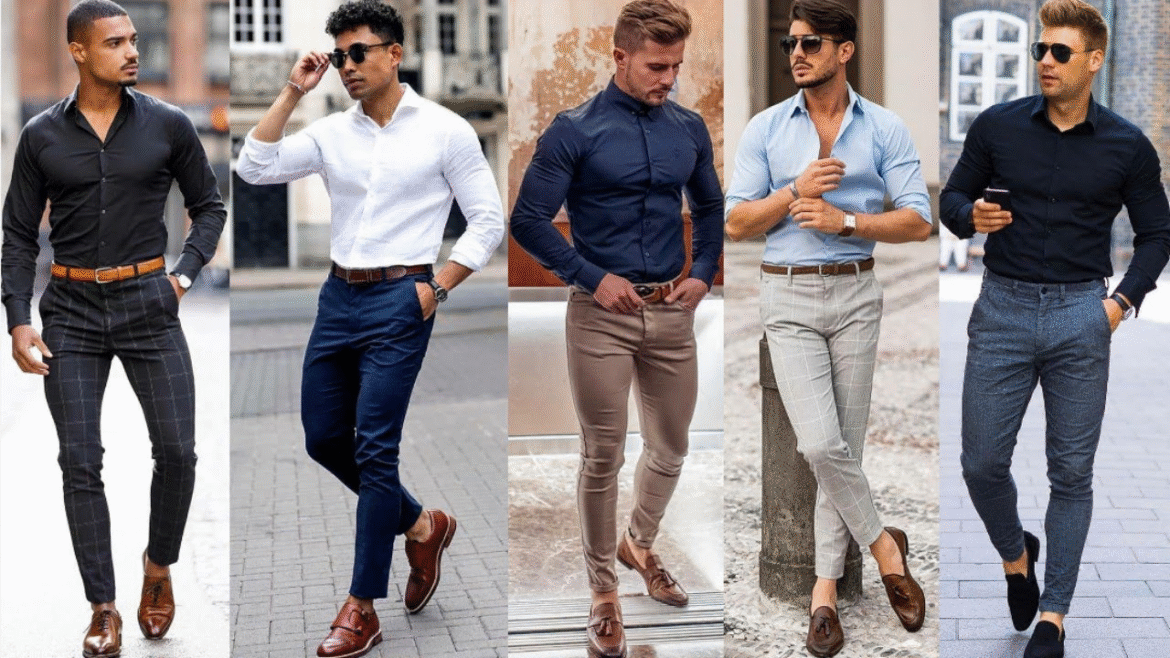
For men:

  • Dark jeans or chinos
  • Polo shirt or fitted shirt
  • Casual blazer
  • Loafers or clean sneakers

This style is perfect for casual business meetings or dinner dates.


3. Comfortable Dresses and Skirts

For women, casual dresses are easy and stylish.

  • A floral midi dress with sandals is great for brunch.
  • A cotton t-shirt dress with sneakers gives a sporty look.
  • A simple skirt with a tucked-in top looks feminine and neat.

You don’t need heavy accessories — a small handbag and simple jewelry are enough.


4. Athleisure Look

Athleisure combines athletic wear with everyday fashion.

  • Leggings with an oversized hoodie
  • Stylish sneakers
  • Crossbody bag

This look is ideal for travel, quick errands, or relaxed weekend days.


5. Casual Party Outfit

For informal parties:

Women can wear:

  • High-waisted jeans
  • Stylish top
  • Statement earrings
  • Heels or trendy boots

Men can wear:

  • Slim-fit jeans
  • Button-down shirt
  • Casual jacket
  • Smart shoes

It’s relaxed but still stylish.


Formal Outfit Ideas

Formal events require more attention to detail. Fabric, fit, and accessories matter more.

1. Elegant Evening Gowns

For formal events like award ceremonies or gala dinners, long gowns are a classic choice. Designers like Elie Saab are known for creating elegant gowns that combine glamour and sophistication.

When choosing a gown:

  • Pick solid, rich colors like navy, burgundy, emerald, or black.
  • Make sure the fit flatters your body shape.
  • Keep jewelry elegant and not too heavy.

Pair with heels and a clutch for a complete look.


2. Classic Suit for Men

A well-tailored suit always looks powerful and polished. Brands like Hugo Boss are famous for sharp and stylish suits.

For a formal event:

  • Choose black, navy, or charcoal gray suits.
  • Wear a crisp white or light-colored shirt.
  • Add a tie or bow tie depending on the event.
  • Finish with polished leather shoes.

Fit is everything. Even an affordable suit looks expensive if it fits perfectly.


3. Cocktail Attire

Cocktail events are semi-formal — not too casual, not too formal.

For women:

  • Knee-length dress
  • Elegant heels
  • Small handbag
  • Simple jewelry

For men:

  • Dark suit
  • Dress shirt
  • Optional tie
  • Formal shoes

This dress code is common for engagement parties, corporate events, and evening celebrations.


4. Business Formal Look

For professional environments or corporate meetings:

Women can wear:

  • Tailored pants or pencil skirt
  • Button-down shirt or silk blouse
  • Structured blazer
  • Closed-toe heels

Men can wear:

  • Dark suit
  • Conservative tie
  • Polished shoes

Keep colors neutral and accessories minimal. Clean lines always look professional.


5. Wedding Guest Outfit Ideas

Weddings can be tricky. You want to look stylish but not steal attention from the bride.

Women:

  • Pastel or soft-toned dresses
  • Avoid wearing white
  • Comfortable yet elegant heels

Men:

  • Light-colored suits for daytime weddings
  • Dark suits for evening weddings
  • Tie or pocket square for personality

Always check the dress code mentioned in the invitation.


How to Choose the Right Outfit

Sometimes it’s not about the clothes — it’s about how you style them. Here are simple tips:

1. Know the Event

Is it indoors or outdoors? Daytime or evening? Professional or relaxed? These details help you decide.

2. Choose Comfort

No matter how stylish an outfit looks, if you feel uncomfortable, it will show. Confidence comes from comfort.

3. Focus on Fit

Loose or overly tight clothes can ruin the look. Tailoring makes a big difference.

4. Pay Attention to Shoes

Shoes can make or break an outfit. Clean, appropriate footwear completes your look.

5. Accessorize Smartly

Accessories should enhance your outfit, not overpower it. Less is often more.


Mixing Casual and Formal Pieces

Modern fashion allows you to mix styles creatively.

  • Wear sneakers with a formal blazer.
  • Pair a silk blouse with jeans.
  • Add a statement belt to a simple dress.
  • Combine formal trousers with a relaxed sweater.

Fashion is becoming more flexible. It’s okay to experiment as long as the overall look feels balanced.


Seasonal Outfit Tips

Summer

  • Light fabrics like cotton and linen
  • Bright or pastel colors
  • Breathable shoes

Winter

  • Layering with coats and scarves
  • Darker shades
  • Boots and structured jackets

Adjusting your outfit to the season makes you look practical and stylish at the same time.


Confidence Is the Best Outfit

No matter how expensive or simple your outfit is, confidence is what truly makes you stand out. When you feel good about what you’re wearing, you naturally carry yourself better. Stand straight, smile, and own your look.

Fashion trends come and go, but personal style stays. Focus on what makes you feel like the best version of yourself.


Frequently Asked Questions (FAQs)

1. What is the difference between casual and formal outfits?

Casual outfits are relaxed and comfortable, suitable for everyday activities. Formal outfits are more elegant and structured, designed for special occasions or professional events.


2. Can I wear sneakers to a formal event?

Usually, formal events require dress shoes or heels. However, some modern semi-formal events allow stylish, clean sneakers if paired carefully with a tailored outfit.


3. How can I make a simple outfit look more stylish?

Add accessories like a watch, statement earrings, or a structured blazer. Make sure your clothes fit well and your shoes are clean and polished.


4. What colors are best for formal events?

Classic colors like black, navy, charcoal, burgundy, and emerald are safe and elegant choices for formal events.


5. How do I avoid being overdressed or underdressed?

Check the invitation for dress code details. If unsure, ask the host. It’s better to be slightly overdressed than too casual.


Final Thoughts

Dressing for different occasions doesn’t have to be stressful. With the right knowledge and a few versatile pieces in your wardrobe, you can create beautiful outfit ideas for casual and formal events easily. Remember, style is not about copying others — it’s about expressing yourself while respecting the event you’re attending.

February 23, 2026 0 comments
0 FacebookTwitterPinterestEmail
Fashion

How to Build a Minimalist Wardrobe: A Simple Guide to Dressing with Less and Living More

by Richard February 23, 2026
written by Richard

In a world full of fast fashion, crowded closets, and constant trends, many people feel overwhelmed by their clothes. You open your wardrobe, see it packed with items, yet still feel like you have “nothing to wear.” If this sounds familiar, you are not alone.Learning how to build a minimalist wardrobe can completely change the way you dress and feel every day. A minimalist wardrobe is not about wearing boring clothes or owning only five items. It’s about choosing quality over quantity, keeping what you truly love, and creating a collection of clothes that work together effortlessly.

Let’s explore how you can build a minimalist wardrobe in a simple, practical, and human way.


What Is a Minimalist Wardrobe?

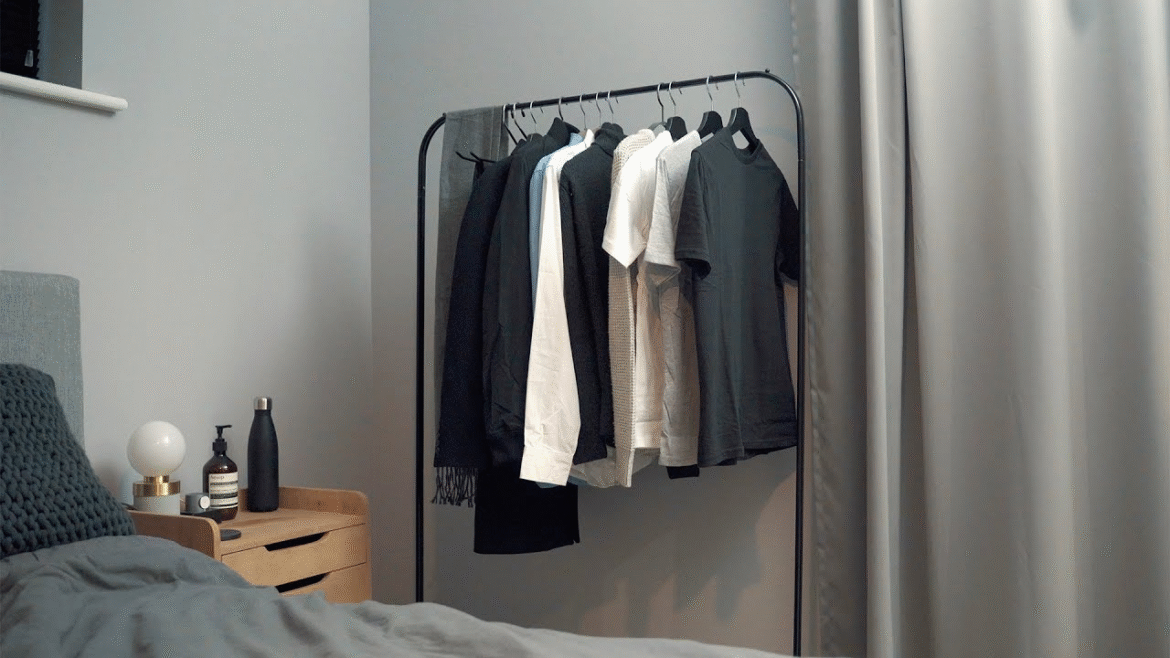
A minimalist wardrobe is a carefully chosen collection of clothes that:

  • Fit you well
  • Match your lifestyle
  • Can be mixed and matched easily
  • Make you feel confident

It focuses on timeless pieces instead of fast-changing trends. The idea is to own fewer items but wear them more often.

Some people are inspired by books like The Life-Changing Magic of Tidying Up by Marie Kondo, which teaches people to keep only what “sparks joy.” Others follow fashion experts like Caroline Rector, who popularized the idea of capsule wardrobes.

But you don’t need to follow any expert strictly. You just need a system that works for you.


Step 1: Understand Your Lifestyle

Before you remove anything, pause and think.

Ask yourself:

  • Do I work in an office or from home?
  • Do I attend formal events often?
  • Do I need comfortable clothes for daily errands?
  • What do I wear most during the week?

Your wardrobe should reflect your real life — not your dream life. If you only attend one wedding a year, you probably don’t need five formal dresses. If you work from home, you may need more comfortable basics than business suits.

Be honest with yourself. This step is very important.


Step 2: Clean Out Your Closet

Now it’s time to declutter.

Take everything out of your closet. Yes, everything.

Create four piles:

  1. Keep
  2. Donate
  3. Sell
  4. Maybe

When deciding what to keep, ask:

  • Do I wear this often?
  • Does it fit me well?
  • Do I feel confident in it?
  • Would I buy this again today?

If the answer is “no” to most of these questions, it may be time to let it go.

Be kind to yourself during this process. Clothes often hold memories. But remember — your wardrobe should support your present, not just your past.


Step 3: Choose a Simple Color Palette

One of the secrets to a minimalist wardrobe is having a clear color palette.

Start with 2–3 neutral colors such as:

  • Black
  • White
  • Beige
  • Grey
  • Navy

Then add 1–2 accent colors you love.

For example:

  • Neutrals: Black, white, beige
  • Accent: Olive green, soft pink

When most of your clothes match each other, getting dressed becomes easy. You can mix and match without stress.


Step 4: Invest in Timeless Basics

Minimalism is not about being cheap. It’s about being smart.

Instead of buying many low-quality pieces, invest in fewer high-quality basics. These might include:

  • A well-fitted white shirt
  • A classic pair of jeans
  • A tailored blazer
  • Neutral t-shirts
  • A versatile jacket
  • Comfortable shoes

Timeless items never go out of style. For example, a simple trench coat has been popular for decades and still looks elegant today.

Avoid buying something just because it is trendy on social media. Trends fade quickly. Good basics stay.


Step 5: Focus on Fit and Comfort

You could own the most beautiful clothes in the world, but if they don’t fit well, you won’t wear them.

Try everything on. Notice how you feel.

  • Is it too tight?
  • Too loose?
  • Does the fabric feel good on your skin?

A minimalist wardrobe works best when every item feels comfortable and natural. You should feel like yourself — not like you’re wearing a costume.


Step 6: Create Outfit Combinations

Now comes the fun part.

Try creating different outfits using only your “keep” items. Challenge yourself to build at least 10–15 outfits from your wardrobe.

You’ll probably discover that you need less than you thought.

For example:

  • White shirt + jeans + blazer
  • Neutral t-shirt + trousers + sneakers
  • Dress + denim jacket

When everything matches, outfit planning becomes quick and stress-free.


Step 7: Shop with Purpose

After decluttering, you might notice gaps in your wardrobe. Maybe you need:

  • A better winter coat
  • Comfortable black shoes
  • A high-quality handbag

Make a list before shopping. Never shop without a purpose.

Before buying anything, ask:

  • Does this match at least three items I already own?
  • Is it good quality?
  • Will I wear it at least 20–30 times?

If the answer is yes, it may be a good purchase.


Step 8: Maintain Your Minimalist Wardrobe

Building a minimalist wardrobe is not a one-time task. It is a habit.

Every few months:

  • Review your clothes
  • Remove what you no longer wear
  • Repair items instead of replacing them

Try a “one in, one out” rule. If you buy one new item, remove one old item. This keeps your wardrobe balanced.


Emotional Benefits of a Minimalist Wardrobe

A minimalist wardrobe does more than save space.

It can:

  • Reduce decision fatigue
  • Save money
  • Lower stress
  • Increase confidence
  • Help the environment

Fast fashion creates a lot of waste. By buying less and wearing more, you make a positive impact.

Many people who adopt minimalism say they feel lighter and more focused. It’s not just about clothes. It’s about creating space in your life.


Common Mistakes to Avoid

When learning how to build a minimalist wardrobe, people often make these mistakes:

1. Throwing Away Too Much Too Fast

Start slowly. You don’t need to reduce your wardrobe in one day.

2. Copying Someone Else’s Style

Your minimalist wardrobe should reflect your personality, not someone else’s Instagram feed.

3. Ignoring Seasonal Needs

Make sure you have clothes for summer, winter, and special occasions.

4. Choosing Only Black

Minimalist doesn’t mean colorless. If you love color, include it.


How Many Clothes Should a Minimalist Wardrobe Have?

There is no perfect number.

Some people prefer 30–40 pieces (often called a capsule wardrobe). Others feel comfortable with 60–70 items.

The right number is the one that makes you feel calm and organized — not restricted.

Minimalism is personal.


Final Thoughts

Learning how to build a minimalist wardrobe is really about learning what matters to you.

It’s about choosing clothes that support your lifestyle, express your personality, and make your daily routine easier.

You don’t need a huge closet to look stylish. You need intention.

Start small. Declutter one shelf. Choose one quality piece instead of three cheap ones. Pay attention to how your clothes make you feel.

Over time, you’ll notice something beautiful: when your wardrobe becomes simple, your life often feels simpler too.


Frequently Asked Questions (FAQs)

1. How long does it take to build a minimalist wardrobe?

It depends on your starting point. Some people do it in one weekend, while others take a few months. It’s better to go slowly and make thoughtful decisions.

2. Is a minimalist wardrobe expensive?

Not necessarily. You may spend more on quality items, but you buy less often. Over time, many people actually save money.

3. Can I still follow fashion trends?

Yes, but carefully. If a trend truly matches your style and can be worn in many ways, you can include it. Just avoid buying trends that you’ll wear only once.

4. What if my weight changes?

Choose flexible pieces and comfortable fits. If something no longer fits, don’t feel guilty. Adjust your wardrobe to your current body, not your past or future body.

5. Is a minimalist wardrobe boring?

Not at all. It can actually make you more creative. When you have fewer pieces, you learn new ways to combine them and develop a stronger personal style.

February 23, 2026 0 comments
0 FacebookTwitterPinterestEmail

Recent Posts

  • How to Choose the Ideal Dive Trip Destination for Your Skill Level
  • How Jewelers Can Help You Personalize Your Pieces
  • Exploring Colorants and Additives for Soap Making Supplies
  • 4 Tips on How to Become a Psychiatric Nurse Practitioner
  • Leveraging Big Data for Enhanced Credit Risk Modeling

Recent Comments

No comments to show.

Keep in touch

Facebook Twitter Instagram Pinterest Youtube Bloglovin

Recent Posts

  • How to Choose the Ideal Dive Trip Destination for Your Skill Level

  • How Jewelers Can Help You Personalize Your Pieces

  • Exploring Colorants and Additives for Soap Making Supplies

  • 4 Tips on How to Become a Psychiatric Nurse Practitioner

  • Leveraging Big Data for Enhanced Credit Risk Modeling

Newsletter

Categories

  • Blog (14)
  • Business (2)
  • Education (1)
  • Fashion (3)
  • Health and Wellness (2)
  • Healthy Living (2)
  • Mental Health (2)
  • Stories (1)
  • Travel (2)
  • Facebook
  • Twitter
  • Instagram
  • Pinterest
  • Youtube

Wapexp2@gmail.com

Copyright © 2026 Technicallinterest.com

technicallinterest.com
  • Healthy Living
  • Health and Wellness
    • Health
    • Healthy Bodies
    • Mental Health
    • Physical Health
  • Fashion
technicallinterest.com
  • Lifestyle
    • Life Tips
    • Life Hacks
    • Program
  • Blog
    • Business
    • Education
    • Entertainment
    • Photography
  • Social Life
    • Travel
    • Stories